 THE UNIVERSITY OF CHICAGO


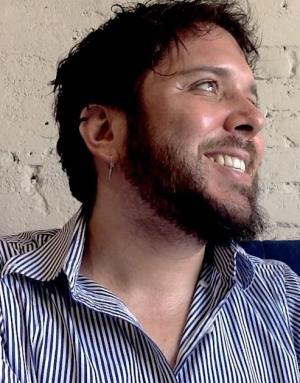
PhD '25 (Latin America)
RESEARCH INTERESTS
Nineteenth- and twentieth-century Latin America; Law and Legal Practice; Economic History; Agrarian Studies; Commodities and Development; Social Movements and State Formation; Political and Legal Theory
DISSERTATION
Administrators of the Revolution: Law and Rural Governance in the Mexican Gulf, 1870–1940
PUBLICATIONS
“Legal History in the US and Latin America: Explaining a Methodological Divide,” Latin American Legal Studies, 10, 2 (2022): 7-60.
“Constitución y violencia: historia mexicana para el presente chileno”, Nexos, co-written with Rodrigo del Río, August 2022.